In the evolving landscape of corporate design, choosing the right "Office Lobby Signs" is more crucial than ever. Experts like David Simmons, a leading consultant in workplace branding, emphasize, "A well-designed sign creates a lasting first impression." This sentiment reflects the importance of thoughtful signage in an office lobby. It’s not just about aesthetics; it’s about conveying the company’s identity.
As businesses strive to stand out in 2026, the selection of lobby signage must consider various factors. The material, size, and placement are key elements. A poorly placed sign can confuse visitors. On the other hand, a strategically designed sign can enhance the overall ambiance. This balance between functionality and design is essential.
However, the process can be daunting. The right choice requires careful consideration and expertise in design principles. Many companies overlook the impact of lighting on signage. Signs that lack proper illumination can easily go unnoticed. As we dive deeper into selecting the best office lobby signs, it's clear that each detail matters in creating an inviting atmosphere.
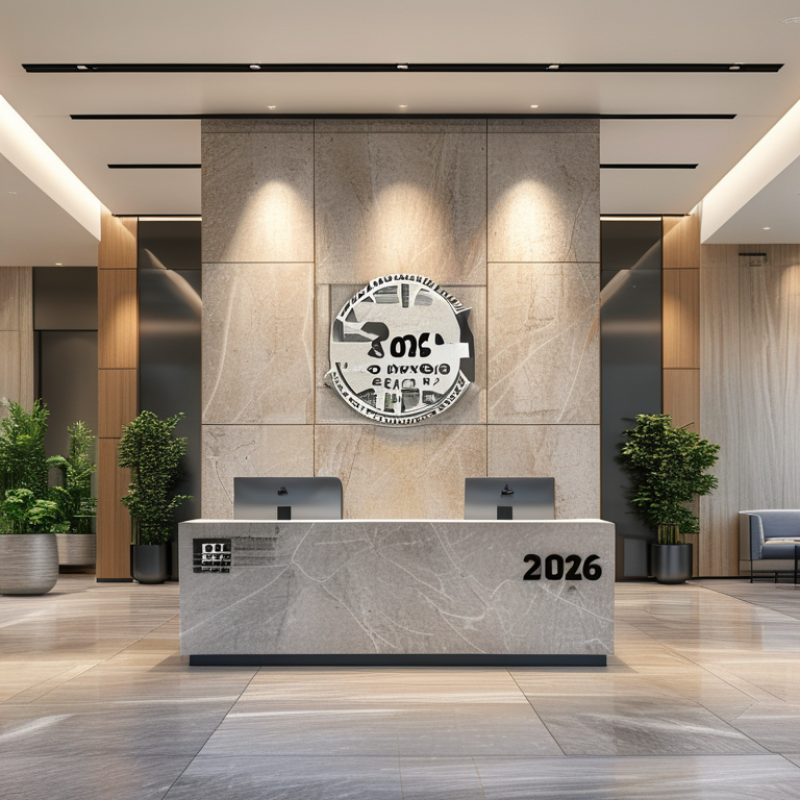
When choosing materials for office lobby signs in 2026, several options stand out. Acrylic is a popular choice due to its versatility. It can be translucent or opaque, giving a modern flair. Metal signs, such as brushed aluminum, exude professionalism while ensuring durability. They can withstand the test of time and remain intact even in busy environments.
Wooden signs are also an option that brings warmth and texture to spaces. However, they require regular maintenance. Choosing the right finish is crucial to prevent wear and tear over time. Additionally, consider eco-friendly materials. Sustainable options will appeal to environmentally conscious clients.
While there are many excellent materials available, not every choice will fit all spaces. Reflect on the brand's identity and the lobby's ambiance before deciding. The visibility of the sign is important as well. If it's too small or poorly placed, it can lead to confusion. It's essential to strike a balance between aesthetics and practicality when selecting lobby signs.
Creating an impactful office lobby sign plays a crucial role in shaping a company's brand identity. An effective sign combines visual elements with the company's ethos. It is not merely a marker for navigation; it's a reflection of the organization's values and professionalism. A well-designed sign can make a powerful first impression on clients and visitors.
Branding through signage should include colors, fonts, and materials that resonate with your corporate identity. Colors evoke emotions. They can stimulate trust or creativity. Fonts vary in tone; some suggest modernity, while others appear more traditional. Materials should match the office ambiance, whether sleek metal or warm wood.
Moreover, the placement of the signage matters significantly. A poorly positioned sign may go unnoticed, reducing its impact. Consider visibility and lighting conditions. Reflect on your company's message; is the sign conveying the intended vibe? Regularly assess and adapt your signage to keep it relevant. This attention to detail underscores your commitment to quality and creates a welcoming atmosphere for everyone entering your space.
As companies look forward to 2026, the design of office lobby signs will undergo significant shifts. Key trends focus on sustainability and inclusivity. Using eco-friendly materials for signage is gaining traction. People are more aware of environmental impact. They want to see brands making responsible choices through their visual identity. Lobby signs will reflect this shift, using materials that are both beautiful and sustainable.
Another trend is the emphasis on personalization. Office spaces are more than just functional areas; they represent a company’s identity. Lobby signs will incorporate local art and culture. This creates a welcoming atmosphere for visitors. Digital displays are also increasingly popular. They offer real-time updates and dynamic content, making the space feel alive. However, the challenge lies in maintaining a balance between innovation and readability. Signs that are too flashy may distract rather than inform.
Color schemes will lean towards calming, neutral tones to reduce anxiety. While bold colors attract attention, they can be overwhelming in a lobby setting. This calls for thoughtful design choices. Designers must reflect on how each element communicates with visitors. The future of lobby signage is not just about aesthetics but about creating an experience that resonates.
When creating lobby signage for commercial spaces, regulatory considerations are paramount. Different regions have specific guidelines regarding size, placement, and material of signs. This ensures safety and accessibility for all visitors. When designing your lobby signs, be familiar with local regulations. For instance, handicap accessibility must be considered to comply with the Americans with Disabilities Act (ADA) in the United States.
Crafting a sign that is both appealing and compliant can be challenging. Colors, fonts, and symbols may have legal requirements. It's crucial to use clear, readable text that all visitors can easily understand. Maintaining a professional aesthetic while following the rules may require extra effort but is vital for your business's reputation.
Tips: Always consult local authorities or signage experts during the design process. Document your compliance efforts to avoid future disputes. Regularly review your signage to ensure it aligns with any changes in regulations. This proactive approach reflects professionalism and commitment to your clients. A well-informed strategy not only adheres to the law but also enhances the visitor experience in your space.
In 2026, the role of office lobby signs is more important than ever. Research from the Sign Research Foundation indicates that effective signage can influence a staggering 68% of consumer decision-making. First impressions matter. An office lobby with professional signage can elevate brand perception significantly. A well-designed sign creates an inviting setting. It engages clients and reflects organizational values.
The impact of signage extends to brand recognition. Studies show that clear and attractive signs can boost brand recall by up to 42%. This is vital in competitive markets. It's not just about aesthetics; functionality plays a role too. An overlooked detail is that poorly lit or confusing signs can lead to negative perceptions. Inadequate signage may leave clients feeling disoriented and uncertain. Therefore, investing in quality signage is an essential consideration for businesses aiming to bolster their brand image.
The evolving landscape of design trends must also be acknowledged. While traditional materials like metal and wood offer reliability, new sustainable options are gaining traction. Companies should consider their environmental footprint. Balancing innovation with brand identity is crucial. Adaptability is vital; business needs fluctuate, and signage should reflect that adaptability. Thoughtful signage should tell a brand story while welcoming visitors into a space that feels both personal and professional.
: Regulatory considerations include size, placement, and materials. These ensure safety and accessibility for all visitors.
Accessibility, like compliance with the ADA, ensures all visitors can read and understand signs. This promotes inclusivity.
Effective signage can influence 68% of consumer decisions. It creates a welcoming atmosphere that enhances brand perception.
Businesses should focus on clear text, appealing colors, and compliance with local regulations to enhance professionalism.
Poor signage can create confusion and lead to negative perceptions, leaving clients feeling disoriented and uncertain.
Consulting local authorities ensures compliance with regulations, reducing the risk of future disputes over signage.
A well-designed sign boosts brand recall, conveys values, and creates an inviting space that engages clients effectively.
Companies should consider sustainable materials while balancing innovation and brand identity to stay relevant in a competitive market.
Regular reviews of signage are vital to ensure they align with any changes in regulations and maintain professional standards.
Many overlook the importance of lighting and clarity, making signage difficult to read, which can hurt client perceptions.
In 2026, selecting the best office lobby signs involves careful consideration of various factors. Materials play a crucial role; options like acrylic, metal, and wood each offer unique aesthetics and durability suitable for different office environments. The influence of branding cannot be overlooked, as effective signage reinforces a company's identity and values.
Additionally, staying updated on key design trends is essential for creating a welcoming atmosphere that resonates with clients. Regulatory considerations must also be factored in, ensuring compliance with local signage laws. Ultimately, well-designed office lobby signs significantly impact client impressions and enhance brand image, making them an integral part of any commercial space's strategy.

Kexian