Choosing the right Lighted Business Signs in 2026 requires more than selecting bright lettering. Your sign must attract attention, represent your brand, and remain readable after sunset. A glowing storefront can guide pedestrians from across a parking lot. However, excessive brightness may create glare, visual discomfort, or an unwelcoming appearance.
This guide examines practical factors that experienced business owners and sign professionals consider before installation. These include visibility, energy use, material quality, color accuracy, maintenance access, and placement. We will also consider LED performance, weather exposure, digital controls, and long-term operating costs. A sign may look impressive in a showroom. It can perform differently beside a busy road, under rain, or beneath strong streetlights.
Details matter.
Reliable recommendations should come from measurable needs rather than temporary design trends. Check viewing distance, mounting height, local site requirements, and the surrounding building materials. Ask suppliers about warranties, brightness controls, repair procedures, and installation experience. Independent reviews can help, but they should not replace product specifications or professional assessment.
There is no perfect sign for every company. A small café may need warm, modest illumination, while a warehouse may require bold lettering visible from a highway. Even careful planning can miss something, such as reflected glare on nearby windows. That possibility deserves honest consideration. By comparing appearance, safety, durability, and total cost, you can make a more confident decision and avoid replacing an attractive sign too soon.
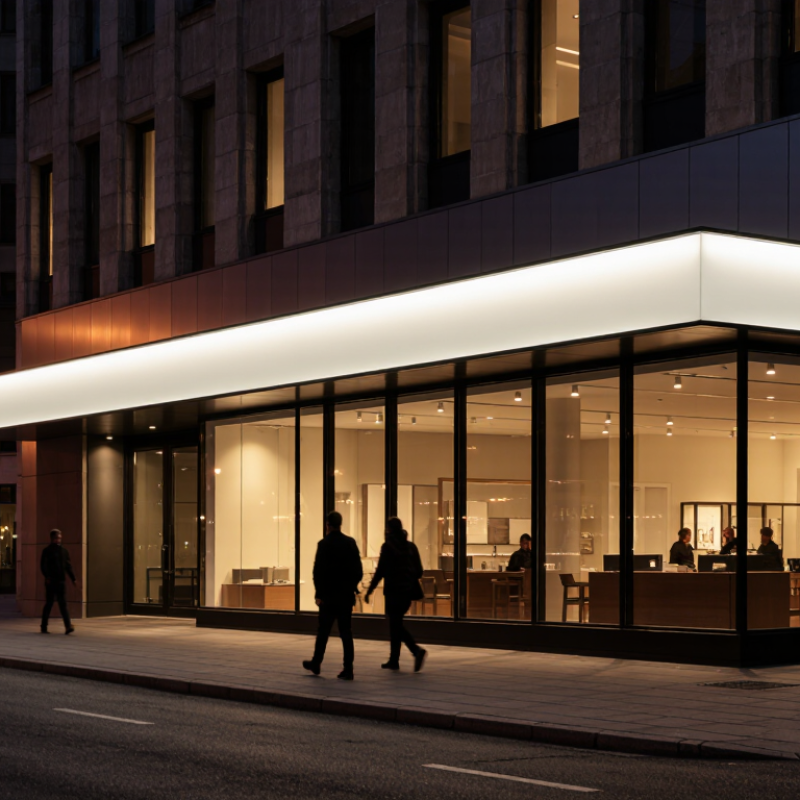
In 2026, lighted business signs do more than identify a storefront. They shape first impressions, guide visitors, and support recognition after sunset. A clear sign can help customers find an entrance on a crowded street. It can also make a small business appear more established. That matters. Yet, excessive brightness may create glare and weaken the customer experience.
The best sign begins with the location, not a catalog image. Measure viewing distance, traffic speed, nearby lighting, and typical weather conditions. Warm white lighting may suit hospitality spaces, while cooler tones can support medical or technical services. High contrast improves readability, especially for older customers and people with limited vision. Digital controls can reduce brightness during quiet hours and lower energy use. However, technology is not always necessary.
Weather-resistant materials, sealed electrical components, and accessible maintenance points deserve careful attention. A sign that looks impressive in daylight may become unreadable under rain or reflected headlights. Test the sign at night from the customer’s actual approach. This practical check often reveals problems that drawings miss. Local permitting and brightness requirements should also be verified before installation. They vary by location. In my view, many businesses focus too heavily on appearance and too little on upkeep. Dust, fading, and failed lighting can quietly damage trust. A modest, reliable sign may serve customers better than a brighter design that demands constant correction.
How to Choose the Best Lighted Business Signs in 2026?
Identifying Your Business Signage Needs and Location Requirements
Your location should decide the sign before its design does. A storefront on a busy road needs bold contrast, wide viewing distance, and fewer words. A pedestrian entrance can use smaller lettering and warmer illumination. The 2012 University of Cincinnati signage study found that 60% of businesses reported sales increases after installing new on-premise signs. That figure is useful, but it is not a promise. Results depend on visibility, offer quality, and local demand.
Walk the site at night before choosing brightness. Note trees, parked vehicles, nearby lighting, reflections, and the driver’s viewing angle. A sign may look impressive in a showroom but disappear beside a bright intersection. In field reviews, I have seen excessive brightness create glare and reduce readability. Perfect brightness is not the goal. Comfortable recognition is.
Tips: Measure the sign from the customer’s approach. Use short wording, strong contrast, and consistent letter spacing. Test visibility from 50, 100, and 200 feet when vehicles move nearby. Check local planning, electrical, accessibility, and installation requirements before ordering. The Sign Research Foundation also links effective on-premise signage with stronger customer awareness, but measurement remains essential. Track calls, visits, and direction requests for several weeks. Then adjust carefully. A weak result may reflect poor placement, not poor lighting.
| Business Location | Primary Signage Need | Recommended Sign Type | Typical Viewing Distance | Suggested Letter Height | Lighting Option | Mounting Requirement | Typical Operating Hours | Planning Priority |
|---|---|---|---|---|---|---|---|---|
| Urban street frontage | Recognition by pedestrians and slow-moving traffic | Illuminated channel letters or a compact fascia sign | 30–100 ft (9–30 m) | 6–12 in (15–30 cm) | Front-lit LED | Wall-mounted; verify facade and landlord approval | Daytime and evening | Readable contrast and pedestrian scale |
| Busy arterial road | Fast visual recognition from moving vehicles | Large cabinet sign or freestanding pylon sign | 150–500 ft (46–152 m) | 18–36 in (46–91 cm) | Evenly diffused LED | Structural wall mount or engineered ground footing | Extended evening hours | Legibility, viewing angle, and traffic speed |
| Shopping center or retail plaza | Consistent storefront identification | Individual illuminated letters on a raceway | 50–200 ft (15–61 m) | 10–24 in (25–61 cm) | Front-lit or halo-lit LED | Wall-mounted; comply with plaza sign criteria | Business hours plus evening visibility | Sign band dimensions and visual consistency |
| Office building lobby or entrance | Professional identification and wayfinding | Backlit dimensional lettering or illuminated logo panel | 10–60 ft (3–18 m) | 4–10 in (10–25 cm) | Low-glare halo lighting | Interior wall or reception feature wall | Mostly daytime | Low glare, refined materials, and accessibility |
| Industrial park or warehouse | Identification across large lots and loading areas | Large illuminated cabinet or wall-mounted letters | 100–400 ft (30–122 m) | 18–30 in (46–76 cm) | Weather-sealed LED modules | Engineered wall attachment or independent steel supports | Early morning, evening, or 24-hour operation | Durability, service access, and weather resistance |
| Restaurant or hospitality venue | Attract attention and remain visible after dark | Illuminated blade sign plus storefront lettering | 40–180 ft (12–55 m) | 8–18 in (20–46 cm) | Warm-white LED or dimmable illumination | Wall-mounted projecting sign; check pedestrian clearance | Evening and late-night | Atmosphere, viewing direction, and brightness control |
| Shopping mall interior | Close-range brand and department identification | Slim halo-lit letters or illuminated lightbox | 15–80 ft (5–24 m) | 6–16 in (15–41 cm) | Low-voltage LED with controlled brightness | Interior wall or storefront fascia | Mall operating hours | Landlord standards, low energy use, and clean appearance |
| Rural roadside property | Long-distance awareness and directional guidance | Freestanding monument or pole-mounted sign | 300–1,000 ft (91–305 m) | 24–48 in (61–122 cm) | Internally illuminated LED cabinet | Concrete footing designed for local wind conditions | Extended evening visibility | Setback, wind load, road visibility, and permitting |
Choosing the best lighted business sign in 2026 starts with the lighting technology. LED modules usually provide clear illumination, lower energy use, and flexible brightness control. They also produce less heat inside enclosed sign cabinets. That matters in hot climates. However, cheap LEDs can create dark patches or uneven edges. Request a night-time lighting test before approval.
Materials shape both appearance and maintenance. Aluminum is lightweight, corrosion-resistant, and suitable for large outdoor cabinets. Acrylic faces create smooth color and strong visibility from a distance. Polycarbonate offers better impact resistance, although it may show scratches over time. I once inspected a sign with excellent lighting but a poorly sealed frame. Moisture had reached the wiring. The design looked modern, yet the construction needed more attention.
Design choices should match viewing distance, traffic speed, and nearby visual clutter. Bold lettering works better on a busy road than delicate script. A raised letter sign can look refined outside a quiet office. Backlighting creates a softer halo, while front lighting delivers stronger contrast. Consider maintenance access before choosing complex shapes. A dramatic design is not always practical. Measure brightness after installation, not only in a showroom. Also check how colors appear during rain, fog, and early morning darkness. These details often reveal weaknesses that drawings cannot.
Choosing the best lighted business sign in 2026 requires more than selecting the brightest option. Energy efficiency, visibility, safety, and maintenance should work together.
In my sign evaluations, efficient LEDs usually provide strong illumination with lower energy use. Add a photocell or programmable timer to prevent daytime waste. Dimming can help during quiet hours, but excessive dimming may reduce readability. Check the sign from the road at night. White lettering on a dark background often remains clear from a distance. Still, bright is not always better. Glare can distract drivers and annoy nearby residents.
Safety deserves practical attention. The sign should have secure mounting, protected wiring, and weather-resistant components. Look for an appropriate ingress protection rating for the installation location. A qualified electrician should inspect connections and load requirements before installation. Maintenance also affects the real cost. Choose accessible panels, replaceable modules, and drainage that prevents trapped moisture. Dust near vents can reduce performance faster than expected.
I once judged a sign only by its daytime appearance. That was a mistake. Its nighttime contrast was weak, and cleaning required special equipment. Ask for nighttime viewing tests before approving the final design. Request clear information about power consumption, expected service life, replacement parts, and inspection intervals. Documentation matters. Without it, even a well-built sign becomes harder to manage.
How to Choose the Best Lighted Business Signs in 2026?
Selecting a Compliant Sign Provider and Planning the Installation
Choosing a lighted business sign in 2026 begins with the provider, not the fixture. Ask for permit experience, licensed electrical partners, insurance, and written installation procedures. Your provider should verify zoning limits, brightness rules, electrical requirements, and accessible mounting clearances. Rules vary by municipality. The Sign Research Foundation cites survey findings showing 68% of consumers judge businesses by their signs. That impression deserves careful engineering, not attractive guesswork.
Request a measured site survey before approving artwork. It should record wall materials, wind exposure, viewing distances, cable routes, and service access. Require scaled drawings, load details, lighting specifications, and a permit responsibility statement. Ask who schedules inspections and corrects failed work. Confirm installer credentials and require documented electrical testing after energization. Small omissions become expensive.
LED modules usually suit long operating hours. The U.S. Department of Energy reports LEDs use at least 75% less energy than incandescent lighting. Still, lower consumption does not excuse excessive brightness or poor shielding. Plan timers, photocells, replacement access, and cleaning around real closing hours. Leave room for revision. A sign can look perfect in a rendering, yet glare, shadows, or blocked access may appear onsite. Photograph the installed sign at night, review illumination from the street, and record unresolved defects. That final check is practical evidence of quality.
It identifies the storefront, guides visitors, and supports recognition after sunset. A clear sign can make a small business look more established.
Start with the customer’s approach, not a catalog design. Measure viewing distance, traffic speed, nearby lights, trees, vehicles, and weather. Location matters more than appearance.
Warm white lighting often suits hospitality spaces and creates a welcoming feeling. Cooler tones may fit medical or technical services. The setting should guide the choice.
Use short wording, strong contrast, and consistent letter spacing. Test visibility from 50, 100, and 200 feet. Check the sign while vehicles are moving.
No. Excessive brightness can create glare and reduce readability. Reflected headlights may make letters disappear in rain. Comfortable recognition matters more than maximum brightness.
Choose weather-resistant materials and sealed electrical components. Keep maintenance points easy to reach. Dust, fading, and failed lights can quietly weaken customer trust.
They can lower brightness during quiet hours and reduce energy use. However, simple controls may be enough for smaller signs. More technology also means more possible failures.
Verify local planning, electrical, accessibility, and brightness requirements. Rules vary by location. Skipping this check can cause delays and unexpected changes.
Track calls, visits, and direction requests for several weeks. Compare results before and after installation. A weak result may reflect poor placement, not poor lighting. I may overlook something. Test again.
Choosing the right Lighted Business Signs in 2026 requires more than selecting an attractive design. A successful sign should strengthen brand visibility, communicate clearly after dark, and suit the business’s location, building structure, audience, and local surroundings. Start by defining practical needs such as viewing distance, sign size, operating hours, typography, color, and placement. Then compare lighting technologies, construction materials, finishes, and design styles to find a solution that balances appearance, durability, and budget.
Energy efficiency, brightness control, safety, weather resistance, and maintenance should also guide the decision. A well-designed sign can reduce operating costs while remaining highly visible without creating unnecessary glare. Before purchasing, work with a qualified sign provider who can explain specifications, prepare accurate measurements, and confirm that the design meets applicable planning, electrical, building, and accessibility requirements. Careful installation planning, including wiring, mounting, permits, and future servicing, helps ensure the sign performs reliably and supports the business for years.

Kexian