Global buyers are rethinking how indoor signs guide, reassure, and represent a brand. The strongest Business Signs Indoor solutions do more than display names. They help visitors find reception desks, meeting rooms, product zones, restrooms, and emergency exits without hesitation. A brushed-metal directory can create a premium impression. A warm acrylic logo may feel more welcoming. Yet appearance alone is not enough.
Don Norman, a respected design researcher, said, “Design is really an act of communication, which means having a deep understanding of the person with whom the designer is communicating.” His principle fits indoor business signage closely. Buyers must consider viewing distance, lighting, language, contrast, mounting height, cleaning needs, and accessibility. A sign that looks impressive in a supplier’s showroom may fail beside a bright window. Small details matter.
There is no universal winner.
This guide examines the top indoor business signs for international buyers, including dimensional letters, illuminated signs, acrylic displays, metal plaques, directory systems, and digital options. It also considers material durability, installation complexity, customization, and long-term maintenance. These factors can change by building type, climate, visitor profile, and purchasing budget. Some buyers may still overvalue decoration and underestimate navigation. That is a practical mistake worth questioning. Reliable decisions require samples, clear specifications, and honest supplier communication. The best sign is not always the largest or most expensive. It is the one people understand quickly, remember easily, and trust in the space.
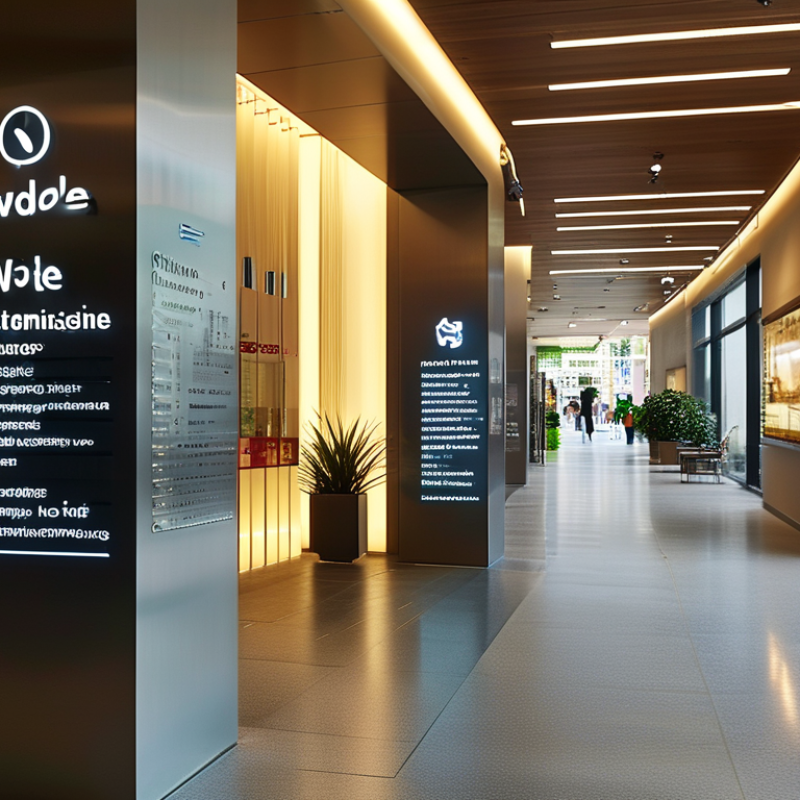
Indoor business signs should match how customers move, pause, and decide. Reception areas benefit from dimensional lettering, acrylic logo panels, and softly illuminated feature walls. These signs create a clear arrival point without overwhelming a small lobby. In retail spaces, suspended aisle signs, illuminated lightboxes, and shelf graphics support faster product discovery. A 2023 Sign Research Foundation report found that 60% of businesses experienced sales increases after improving on-premise signage. The reported average increase was about 10%.
Different spaces require different levels of information. Offices often need directory boards, room plaques, and discreet wall lettering. Hotels and restaurants may use menu displays, digital screens, and decorative dimensional signs. Healthcare interiors require highly legible wayfinding, strong contrast, and carefully placed directional panels. It can look simple. It rarely is. A beautiful directory can still confuse visitors when every line has equal visual weight.
Global buyers should also consider materials, lighting, installation, and regional accessibility requirements. The U.S. Energy Information Administration reports that lighting represents roughly 17% of commercial building electricity use. Energy-efficient LEDs can reduce operating demands in illuminated signs, although poor brightness control still creates waste. For humid locations, sealed acrylic and corrosion-resistant hardware deserve attention. For high-traffic corridors, recessed or rounded components may reduce damage. Printed samples help, but they cannot fully reveal glare, viewing distance, or nighttime brightness. That is where many specifications need another review.
The chart compares typical readable viewing distances for widely used indoor business sign types. Actual performance varies with lighting, font size, contrast, installation height, and viewing angle. Reception lettering and directory boards are suited to close-range communication, while illuminated signs, wayfinding signs, and safety signs support longer-distance visibility in larger commercial spaces.
Indoor business signs must look polished, but their materials determine long-term performance.
Acrylic is popular for reception logos because it offers clean edges and controlled light diffusion. Aluminum provides a firm, lightweight frame for directional panels. PVC can reduce cost, although it may appear less refined in premium interiors. Wood veneer adds warmth, yet it needs stable humidity to prevent warping.
Construction details often separate reliable signage from attractive samples.
Use concealed fasteners where possible. They create a cleaner surface and reduce accidental snagging. Routed edges should be smooth, especially on signs placed near corridors. For illuminated signs, installers need accessible LED modules and tidy cable channels. A removable rear panel can make maintenance easier. It may also increase the initial fabrication cost. That trade-off deserves careful review. Indoor conditions still vary, and material selection should match heat, moisture, cleaning routines, and expected contact.
Tips:
Ask for material thickness, edge-finishing details, mounting drawings, and wiring specifications before production. Request a physical color sample under the building’s actual lighting. Check whether adhesives suit painted walls, glass, or stone. Confirm local electrical and fire-safety requirements with qualified professionals. Small details matter. A sign that looks perfect in a workshop may feel too bright, too heavy, or poorly balanced after installation. Allow space for future replacement, because access is often overlooked during design.
Indoor business signs should express the brand before customers read every word. Dimensional letters suit confident, premium interiors. Acrylic panels create a clean and approachable impression. Digital displays work well where messages change often. Keep movement restrained. I have learned that a bright screen can weaken a calm reception area.
Match the sign with the room’s materials, colors, and lighting temperature. Warm wood pairs naturally with soft white lettering and brushed metal details. Dark walls need strong contrast, but excessive brightness may feel harsh. Use the same color logic as the interior, not only the logo. Avoid crowded layouts. In one project, a large reception sign looked impressive in drawings but overwhelmed the narrow entrance. A smaller version worked better. That mistake mattered.
Material selection should reflect daily use and cleaning routines. High-traffic corridors need durable surfaces with protected edges. Reception signs can use refined finishes because they receive less contact. Ask the installer about mounting depth, cable access, and future maintenance. Check sightlines from the entrance, elevator, and waiting seats. Lighting should reveal the sign without creating glare on glass or polished walls. A reliable supplier should provide scale drawings, material samples, and installation details before production. Request physical samples when colors appear critical. Screens can display colors differently. Perfect alignment is rare, so allow small adjustments during installation.
What Are the Top Indoor Business Signs for Global Buyers?
Global buyers often choose lobby directories, reception signs, room identifiers, and directional panels. The best option depends on traffic, viewing distance, lighting, and local building requirements. A sign should remain readable from a moving visitor’s viewpoint. That practical detail is easy to miss.
Material selection needs more than appearance. Aluminum, acrylic, wood-based panels, and non-glare films suit different interiors. Confirm flame-spread ratings, surface durability, and mounting safety before production. Electrical signs may require documented testing and approved components in the destination market. Requirements vary widely. Never assume one certificate fits every country.
Customization should support access and clear communication. Use strong contrast, legible type, tactile characters, and Braille where applicable. Add translated text only after checking local language order and cultural clarity. For multilingual buildings, spacing must be tested at full size. Small samples can mislead. In procurement reviews, a beautiful sign sometimes fails because arrows are too subtle or replacement parts are unavailable. Ask for drawings, material samples, test reports, packaging details, and installation instructions. A final site check remains valuable, even when the factory has a good record. That extra review may feel slow, but it prevents expensive rework.
Global buyers should compare total ownership cost, not only the purchase price. Printed fabric graphics usually cost less upfront and install quickly with lightweight frames. However, they may crease, fade, or need replacement in busy corridors. Acrylic letters and metal signs cost more, but their rigid surfaces resist daily contact. Digital displays require higher investment, power access, and technical setup. Grand View Research’s 2024 Digital Signage Market Report projects an 8.1% compound annual growth rate from 2024 to 2030, showing continued demand for flexible visual communication.
Installation details can change the budget sharply. Wall weight, cable routing, fire-rated materials, and local electrical inspection may add labor costs. Modular systems simplify replacement and reduce downtime. That matters. The U.S. Department of Energy reports that LED lighting uses at least 75% less energy and lasts up to 25 times longer than incandescent lighting (LED Lighting Factsheet, 2023). This supports lower energy and relamping costs, although digital signs still need software updates, cleaning, and occasional component repairs.
Durability depends on the environment, not just the material. A glossy surface can reveal fingerprints near reception desks. A fabric face may look softer but collect dust. Maintenance teams should inspect connections, brightness, mounting hardware, and surface damage monthly. Buyers often underestimate service access. I would also question attractive lifetime claims without warranty conditions and replacement-part availability. A low-cost sign that needs specialist repair can become expensive within one year.
| Indoor Sign Type | Typical Applications | Typical Purchase Cost (USD) |
Expected Service Life | Installation Difficulty | Typical Installation Time | Maintenance Requirements | Key Buying Consideration |
|---|---|---|---|---|---|---|---|
| LED Light Box | Reception areas, retail promotions, menu displays, trade-show booths | $150–$900 | 5–10 years for the frame; LED modules commonly last 30,000–50,000 hours | Moderate | 1–3 hours | Dust cleaning; occasional LED driver or module replacement | Confirm voltage, light uniformity, and access for graphic replacement |
| Acrylic Dimensional Letters | Reception logos, corporate interiors, lobby branding, office identification | $100–$1,200 | 5–10 years indoors | Easy to Moderate | 1–4 hours | Wipe with a soft, non-abrasive cloth; inspect mounting points | Choose suitable thickness, finish, and mounting method for the wall surface |
| Metal Dimensional Letters | Premium lobby signs, financial offices, hotels, professional service locations | $250–$2,000 | 10–20 years indoors | Moderate | 2–5 hours | Periodic dusting; check for scratches, loose studs, or surface oxidation | Aluminum is lightweight; stainless steel offers a heavier premium appearance |
| Fabric Tension Display | Retail interiors, exhibitions, event backdrops, branded partitions | $200–$1,500 | 3–7 years indoors, depending on fabric handling | Easy | 30 minutes–2 hours | Vacuum or gently clean fabric; replace graphics when campaigns change | Check fabric fire rating, wrinkle resistance, and availability of replacement skins |
| Modular Wayfinding Directory | Hospitals, campuses, shopping centers, offices, hotels, and public buildings | $300–$2,500 | 7–15 years for the structure; graphics may need earlier updates | Moderate | 2–6 hours | Clean panels; update inserts, arrows, or room information as needed | Prioritize modular components so tenant and room changes do not require full replacement |
| Printed Wall Graphics | Brand walls, interior campaigns, glass partitions, murals, and promotional areas | $80–$800 | 2–5 years indoors | Easy to Moderate | 1–4 hours | Light dusting; avoid harsh chemicals and excessive moisture | Verify wall condition, adhesive compatibility, print finish, and removal requirements |
| Acrylic Lighted Sign | Reception branding, retail feature walls, hospitality interiors, showroom displays | $300–$2,500 | 5–10 years; LEDs commonly last 30,000–50,000 hours | Moderate to High | 2–6 hours | Clean the face; inspect wiring and replace LED components when necessary | Confirm electrical certification, transformer access, heat management, and mounting weight |
| Digital Signage Display | Menus, reception announcements, internal communications, advertising, directories | $400–$3,000 | 3–7 years for commercial displays | Moderate to High | 2–8 hours | Screen cleaning, software updates, network checks, and hardware replacement planning | Evaluate brightness, operating temperature, content management, connectivity, and warranty |
| Freestanding Floor Sign | Lobby branding, temporary promotions, queue guidance, retail and event messaging | $120–$1,000 | 3–10 years indoors, depending on frame and handling | Easy | 15 minutes–2 hours | Clean surfaces; tighten hardware and inspect the base for stability | Check footprint, tipping resistance, portability, and storage requirements |
| Hanging Ceiling Sign | Retail departments, airport-style wayfinding, trade shows, and open-plan facilities | $180–$1,800 | 5–12 years indoors | High | 2–6 hours | Dusting; inspect cables, anchors, and ceiling attachment points | Confirm ceiling structure, load rating, local safety rules, and installation access |
Cost ranges are typical planning estimates in USD for indoor products, excluding international freight, import duties, taxes, site-specific electrical work, and unusual installation conditions. Actual pricing varies by size, quantity, materials, customization, certification requirements, and destination market.
The sign should express the atmosphere before visitors read every word. Dimensional letters feel confident and refined. Acrylic panels appear clean and welcoming. Choose materials that echo the room, not only the logo.
Warm wood pairs with soft white lettering and brushed metal. Acrylic works in bright, approachable spaces. Aluminum offers durability in busy corridors. Wood-based panels can add warmth, but cleaning needs careful planning.
Lighting should reveal the sign without glare. Dark walls need clear contrast. Excessive brightness may feel harsh. A bright screen once weakened a calm reception area. I would test the room at night, too.
Check the sign from the doorway, elevator, and waiting seats. A large design may overwhelm a narrow entrance. One reception sign looked impressive in drawings but felt oversized onsite. A smaller version worked better.
Request scale drawings, material samples, test reports, packaging details, and installation instructions. Confirm mounting depth and cable access. Physical samples matter when colors are critical. Screens may display colors differently.
Use protected edges and durable surfaces in high-traffic corridors. Reception signs can have finer finishes because they receive less contact. Ask about cleaning routines and replacement parts. Small damage becomes visible quickly.
Use strong contrast, readable type, tactile characters, and Braille where applicable. Directional arrows must be easy to notice. Subtle arrows can fail during busy moments. Test multilingual spacing at full size.
Requirements vary by destination and building type. Confirm flame-spread ratings, mounting safety, and electrical testing needs. Never assume one certificate works everywhere. A final site review can prevent expensive rework.
Choosing the right Business Signs Indoor solution helps global buyers create clear, professional, and welcoming commercial spaces. Options may include reception signs, wayfinding panels, wall logos, room identifiers, menu boards, directory signs, and illuminated displays for offices, hotels, retail stores, clinics, and public venues. Materials such as acrylic, metal, wood, glass, PVC, and LED components offer different levels of strength, appearance, weight, and maintenance needs. Construction quality, surface finishes, mounting systems, and edge details should be evaluated according to the location and expected traffic.
Effective signage should reflect the company’s visual identity while matching the interior’s colors, architecture, lighting, and atmosphere. International buyers should also consider customization, packaging, installation methods, accessibility requirements, fire safety expectations, electrical specifications, and local compliance standards. Comparing total cost is essential, including production, shipping, installation, cleaning, repairs, energy use, and replacement. A well-designed sign may cost more initially but provide better durability, readability, and long-term value when properly selected for the environment.

Kexian